Living at the Edge (L@tE) 2002-2009, Artist collaboration L@tE
____________________________________________________________________________
Living at the Edge (L@tE) summary
Artists Jane Frost and Janette Porter have worked individually and collaboratively in East Anglia UK for three decades. Frost developed The Drained Lands , 97/01, in response to working in The Fens and Bangladesh. Porter developed Living Earth Sculpture , Lincolnshire, 96/99. These projects brought the artists together to develop Living at the Edge, (L@tE) 02/09.
L@tE worked with people and places at water's edge, addressing shared physical challenges of changing climate and water levels. Working in the UK and beyond. Based on the success of L@tE once Porter returned to the NW of England she developed High Tide where Frost became an exhibiting artist.
L@tE Ethos
Copyright of the work and photography J Frost and J Porter
L@tE is a continuous conversation between Frost and Porter which started in 1998. It began while Porter was working on the Living Earth Sculpture project, in Lincolnshire UK, between 1997-1999. At the same time Frost was working in the Fens and Bangladesh. Together their shared experiences at these locations brought about an understanding of communities and cultures affected by the 'edge'. At this point the potential of the 'edge' became clear. In 2000 Porter and Frost led a steering group discussion in liaison with Commissions East, The Wash Estuary Management Group and East Cambridgeshire LA21 to discuss the developing L@tE concept.
2009
High Tide invites L@tE to exhibit at Climate for Change Exhibition, FACT, Liverpool, UK
As a natural progression on from the success of the URBAN/ECOLOGY project which took place during Liverpool Biennial Independents 2008, Gaia Project and Living at the Edge (L@tE) in partnership present High Tide (Mersey 2099); a major new inter-disciplinary art/science climate change project, taking place during Liverpool's 'Year of the Environment 2009' and beyond into 2010. High Tide (Mersey 2099) our lives, our land, re-imagined, re-shaped 'In our small country we have to act now as if we were about to be attacked by a powerful enemy. We have first to make sure our defences against climate change are in place before the attack begins. The most vulnerable places are the cities close to the sea level now, and among them… Liverpool.' – JAMES LOVELOCK, The Revenge of Gaia (2006) Geographic location: Merseyside (Mersey Basin) Period:
Photo credit: J Brady 2009
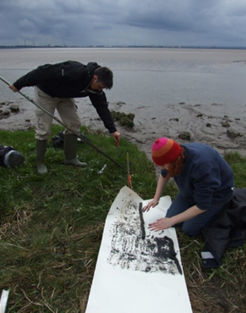
Janette Porter, Climate for Change, Hale Shore, Merseyside UK, in collaboration with Dr Jason Kirkby, Liverpool John Moores University School of Biological & Environmental Science.
2009
High Tide invites L@tE visiting artist Jane Frost to exhibit at Climate for Change FACT, Liverpool, UK
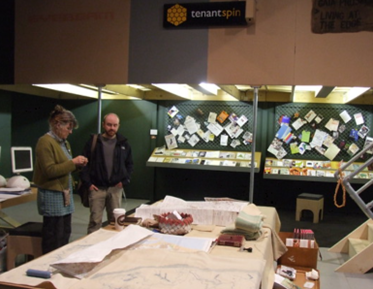
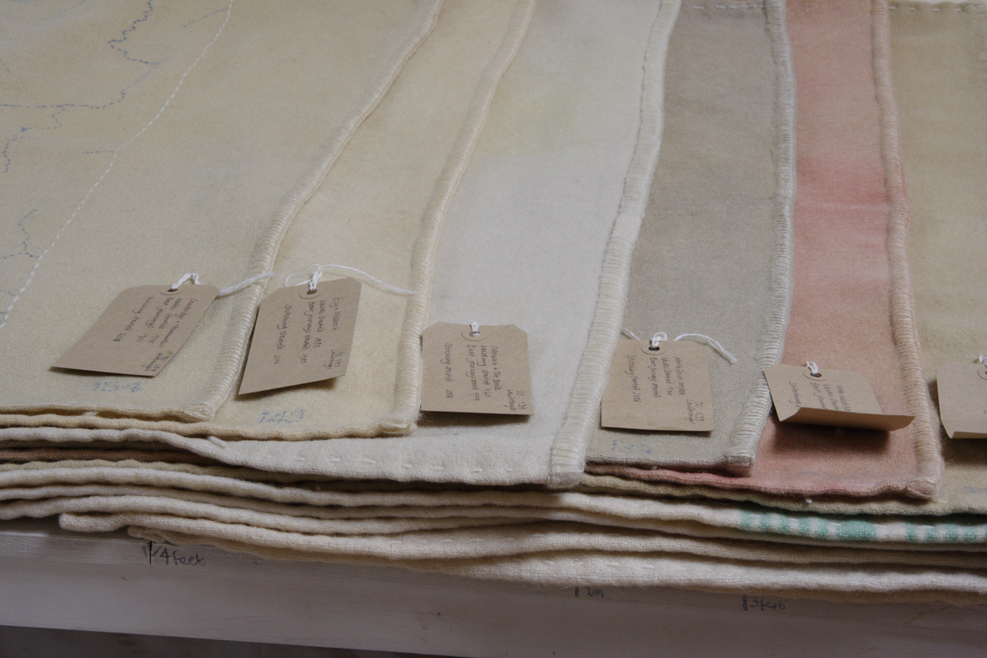
Photo Credit: J Porter
Jane Frost, working on Slow Making: Stitched Waterways. Exploring a sense of belonging and journeys on or near waterways with workshop participants.
Acknowledgement, High Tide
2006
Artist Elements/Garston, Liverpool, UK
Element 1,
Art Cargo
Materials - Hessian sacks, rope, tidal river, rain and wind.
Ethos -
I make work here as a memory of my family's commitment to the Liverpool Docks. Three generations of dockers before me: my father, my grandfathers, great grandfathers and great grandmothers together amassed over 135 years of working on the docks in Liverpool and Seaforth. As a child I spent days wandering, playing and experimenting here under the watchful eye of my father. As the fourth generation of the Porter, Doyle and Casey family I now also work on the docks. The fact that I am working here creatively, says much about recent changes in our city's life. Now, this place is a living studio. The dock reveals itself through site specific work: tree plantings, stone placing and wild flower seed scatterings. My actions on the docks are social sculpture generated for a docker audience.
The River Mersey once delivered rich cargoes that would pass through the dock. The river now handles less traffic and the variety of cargo changes depending on the seasons. Contact with the river's edge is changing and land is being sold for lighter commercial use and residential developments. Access is now restricted to some areas of the dock, with less people being employed here. I have been walking and working here for many years, documenting changes. In 2006, I created a site-specific, weather-beaten series of works at Garston Docks. The dock provides a space to embrace industrial, river-based activity and its heritage. The sheds, now empty of cargo, await an action or an interaction - work that is about the atmosphere of dock life. This series of works was about linking the past to the future. It utilised stillness to demonstrate the pivotal nature of the transition point that the docks are experiencing and moving through.
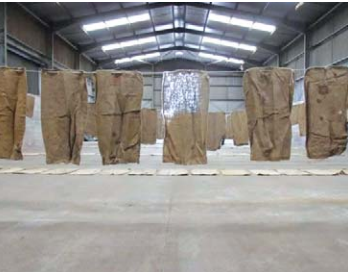
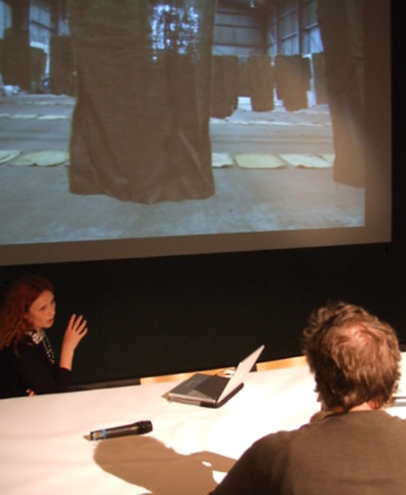
Photo Credit: J Porter
Element 1, Janette Porter, Art Cargo, presentation Climate For Change FACT, Liverpool, UK
Acknowledgement, Associated British Ports/Garston Docks/ Yew Tree Farm Shop/Kenny Porter for Technical support/ P Taylor and Debbi Lander for assistance.
2006
Central Russia
Element 1, River Volga, Vishny Volocheck and Moscow
Action
Invited to take part in 'Passion For the Real' research project with Gothenburg University and Moscow Institute for Contemporary Art my work in Russia is exploring the perception of place, physical and conceptual. The time at the 'Academica Dascha' was spent in discussion and workshops with 15 postgraduate students from Russia, Sweden, America and Germany as well as presentations and lectures from artists, writers and critics. The aim of this project is to examine ways of learning outside the constraints of education establishments. The facilities were basic, no real studio infrastructure for working while the surrounding area provided lakes, wildlife, long walks and quiet rest from consumerism and technology. Being conscious of places, how they are used and managed by people, I found myself intrigued that a site can have a strong sense of unreality and lack identity. A bit like the paintings produced by artists who still use the facilities regularly; they select and portray an idyllic situation while surrounded by decay and confusion of purpose and many forms of poverty. This is Russia element 1; there will be further work published for the Moscow Biennale in March 2007.
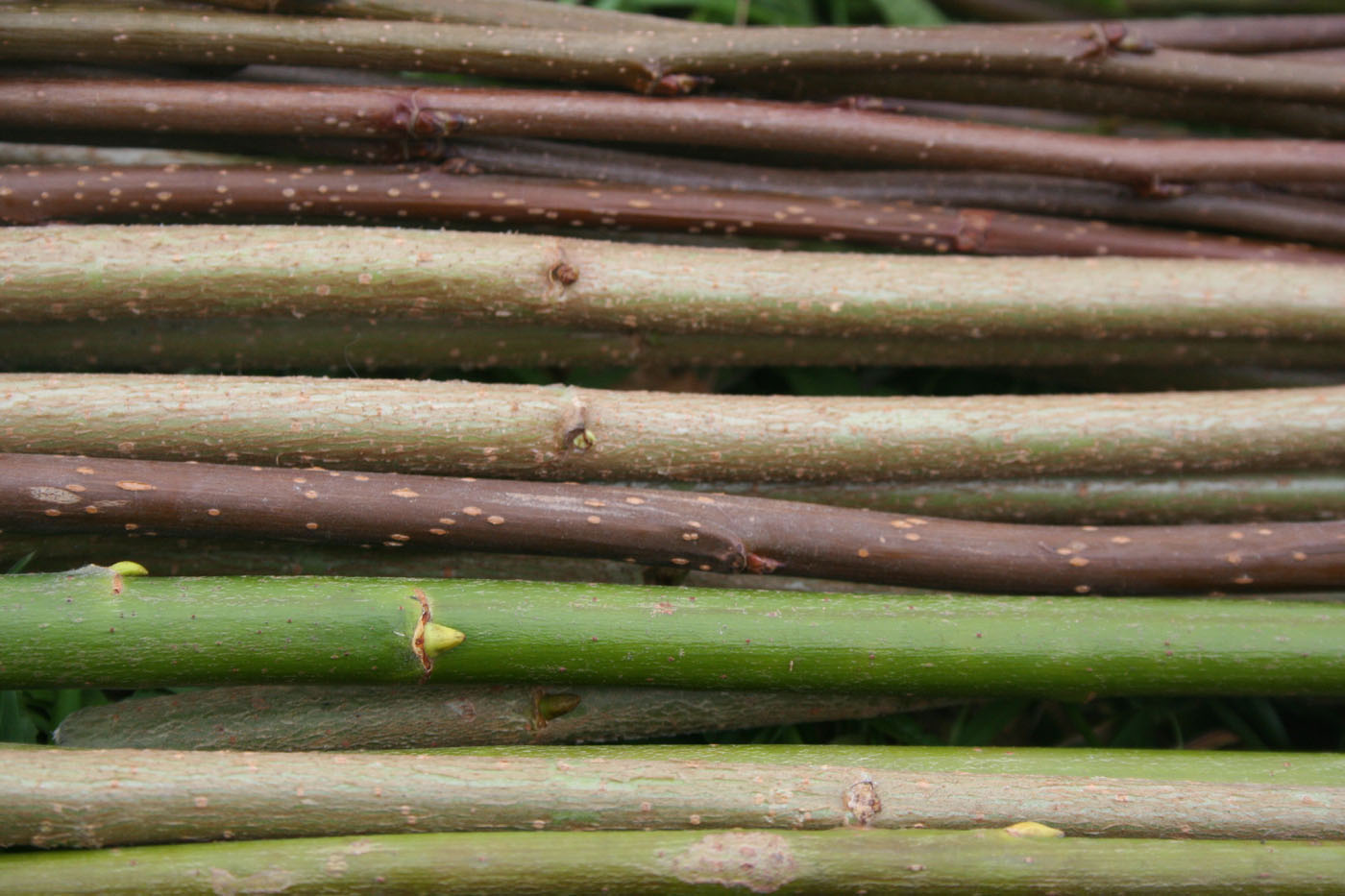
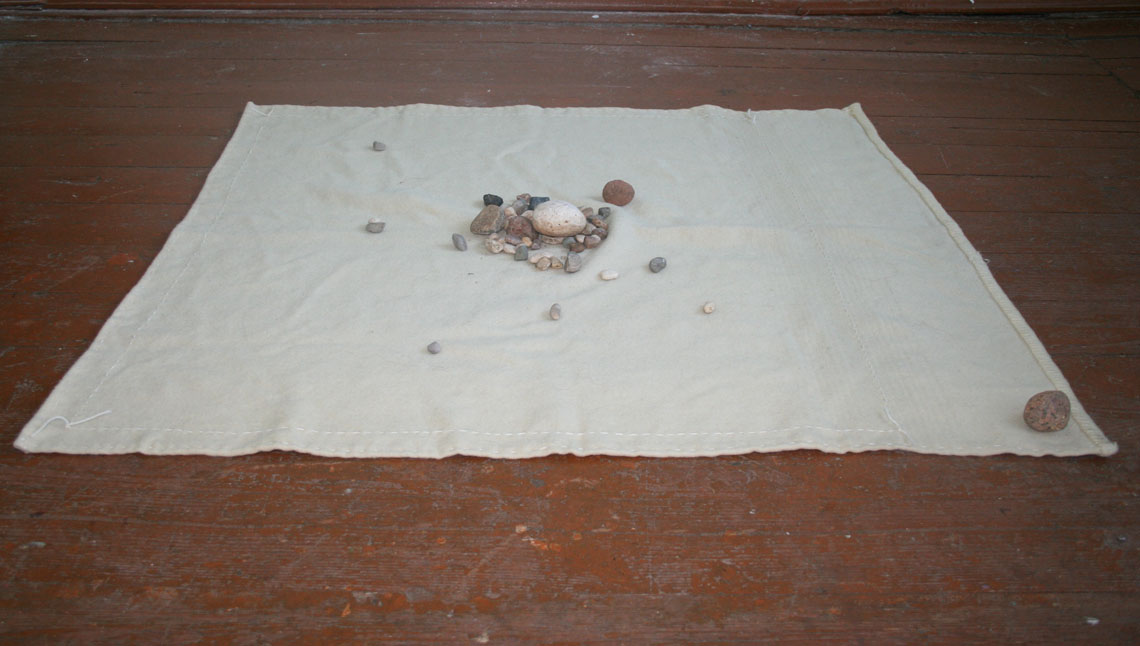
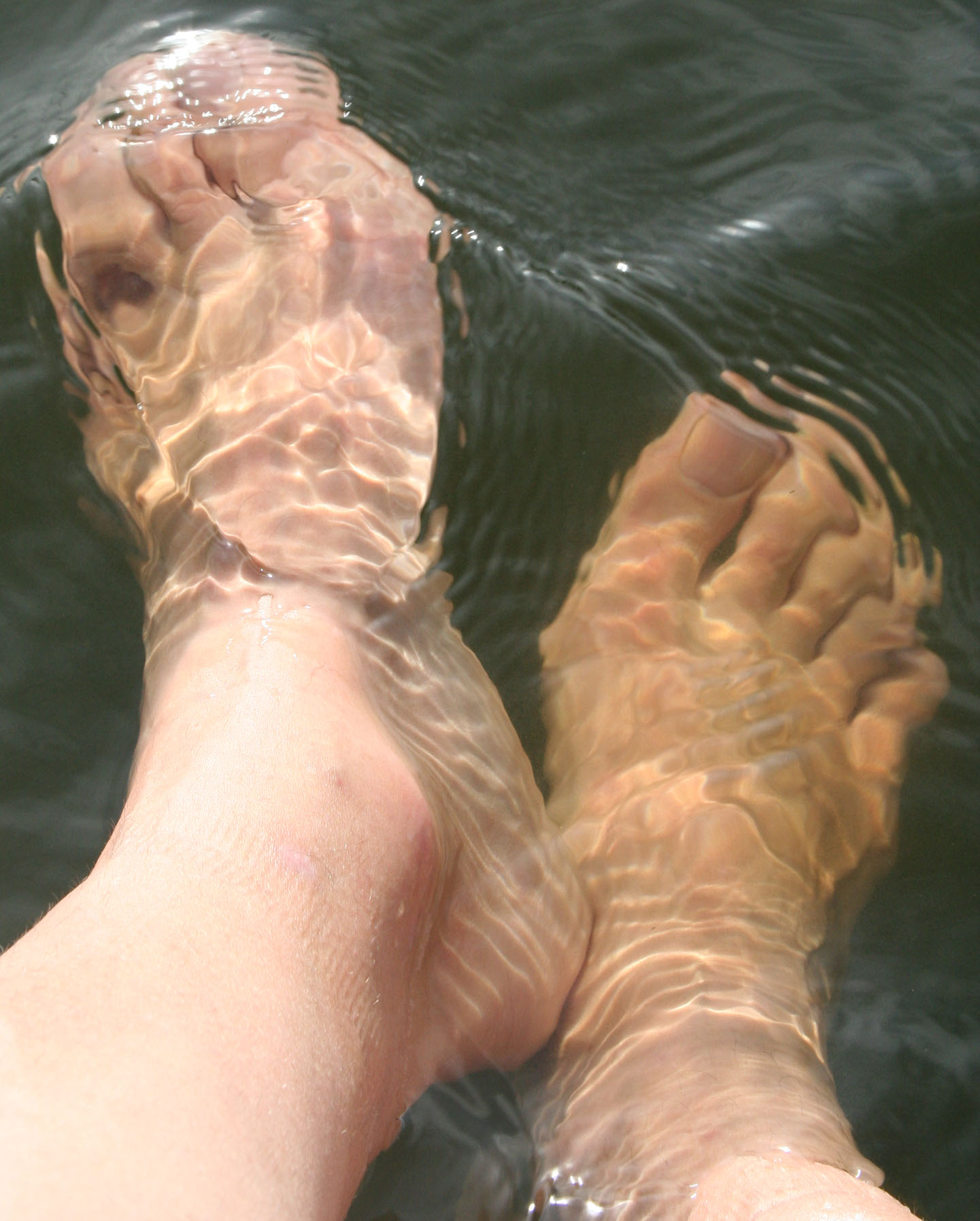
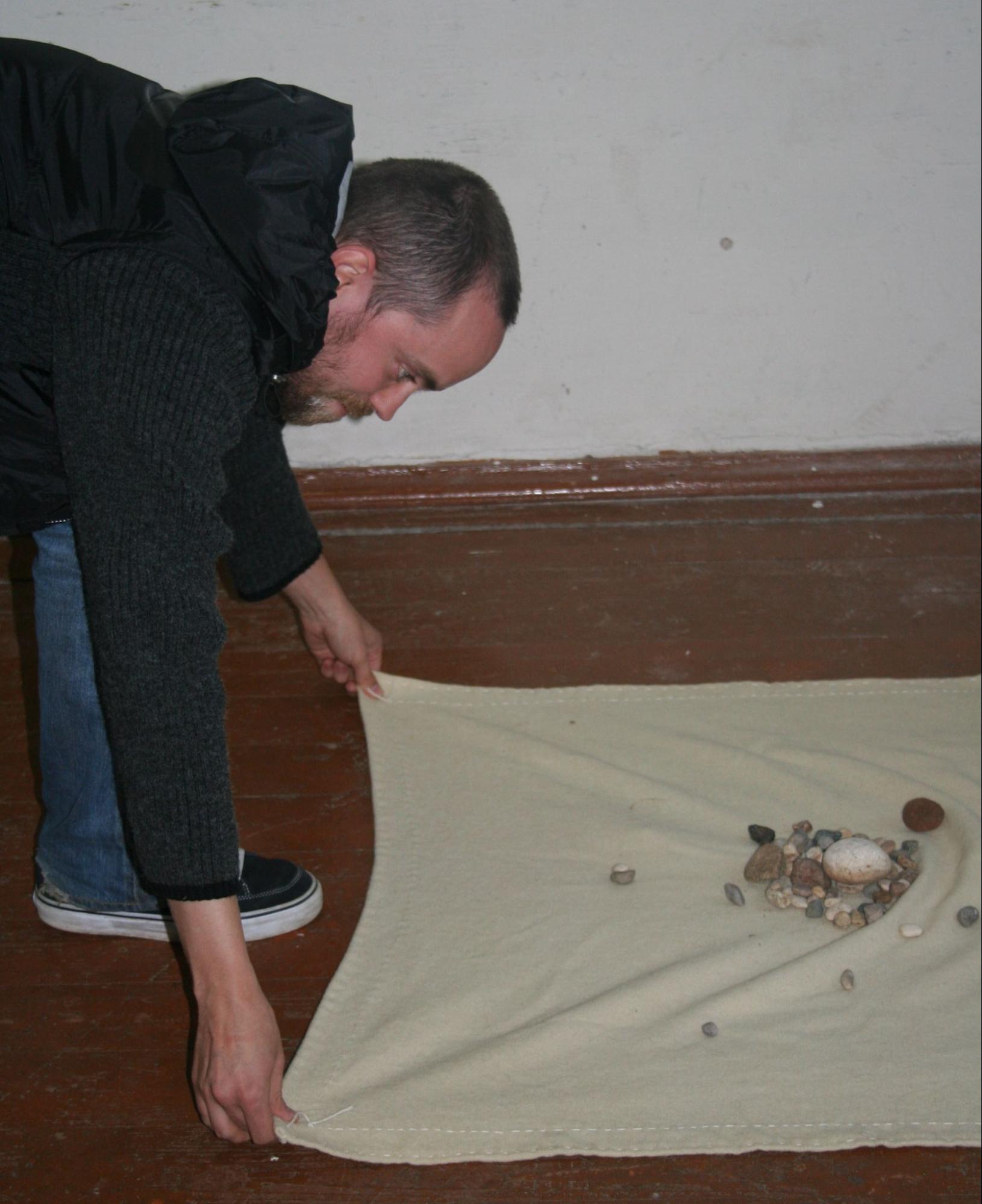
Photo Credit: J Frost
Frost working at Academica Dascha with 'Passion for the Real' participating students
Acknowledgement, Valand School of Fine Art, Gothenburg, Sweden./Leslie Johnson and Frederick Svensk, leaders of the project 'Passion for the Real' and participating students/Norwich School of Art and Design
2006
Stories of Steps , Dingle, Liverpool North West of England, UK
Stories collected from the Herculaneum Steps, Liverpool.
Living at the Edge is a very real experience for the community who live and work near the Herculaneum Steps in Liverpool. The steps have for generations provided a link to the River Mersey, initially to gain access to work at the docks and in later years, as a means to socialize, exercise, shop and for recreation.
As an artist I have been challenged and inspired by the people I have met and the stories they have shared with me. This project leaves their legacy within an already vibrant community. The project participants listened to and gathered the stories, and then worked together to create a platform for the sharing.
L@tE projects aim to invite people to respond creatively to their environment. This project has attempted to research the way in which people and places have been linked via their steps. It has also attempted to understand how, over time, those lives have been affected by the city's developmental process.
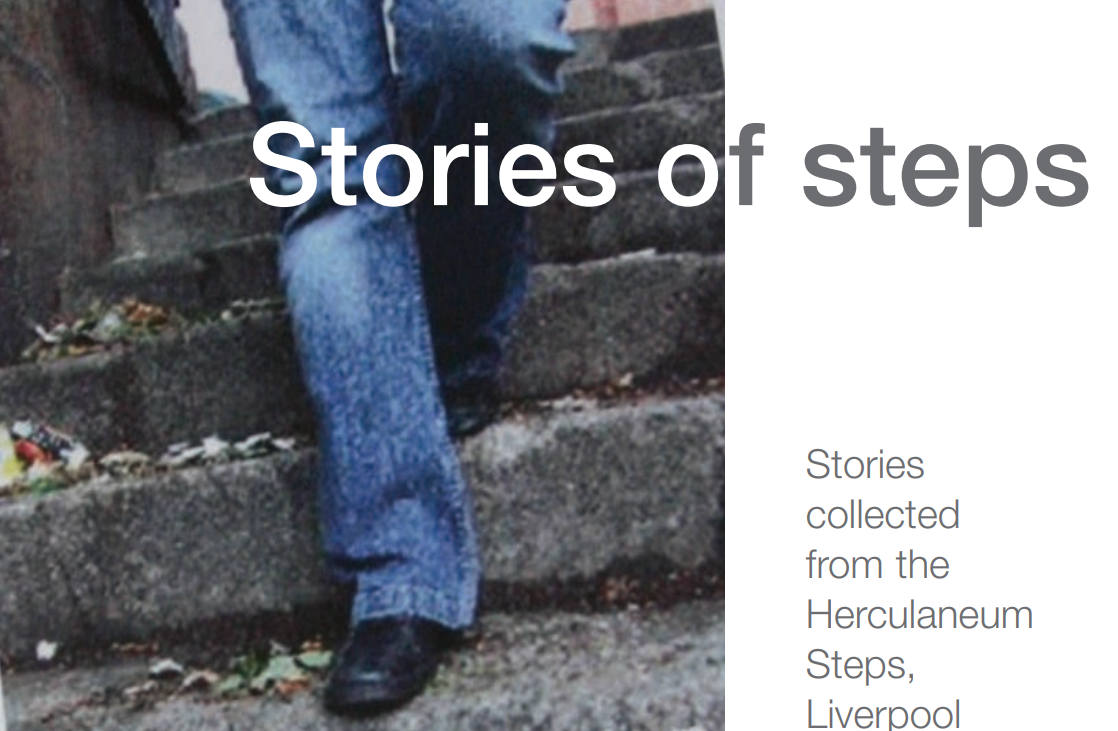
Photo Credit: J Porter
Porter works with local community at the dockers steps
Acknowledgement, Cosmopolitan Housing /Liverpool PCT/ Liverpool Central Libraries/Liverpool/Operation Eden
2006
Lost River Course, 'Riverbank', Liverpool UK
Photo Credit: J Porter
Porter worked with local community to find the lost river course
Acknowledgement, Central Liverpool/ PCT Health Promotional Services/Liverpool Community Council/Community Libraries
2006
Boscastle Castle, Cornwall, UK
The Rivers Jordan and Valency were selected as they form the two rivers that flooded their banks and the village of Boscastle in Cornwall August 2004. The steep river valley accentuated the effects of the gathered rain water from the storm; this acted like a funnel which caused a flash flood that saturated the village of Boscastle. It was in response to this flood that brought L@tE here. We wanted to respond with a creative statement and work with and be led by the river courses. We followed the Valency upstream from where it converges with the Jordan and worked enroute, responding to selected locations.
Natural, found, constructed, collected materials and location
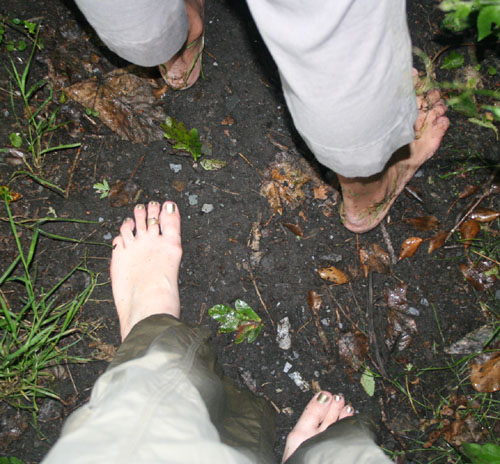
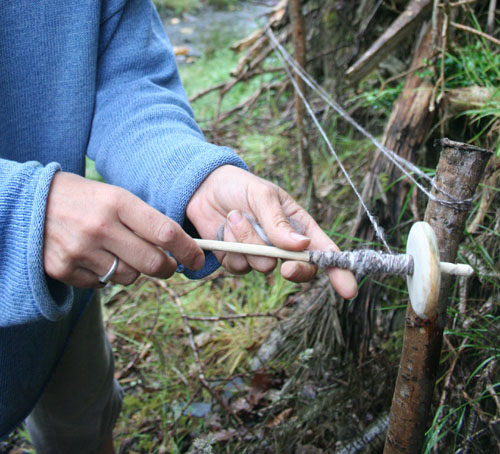
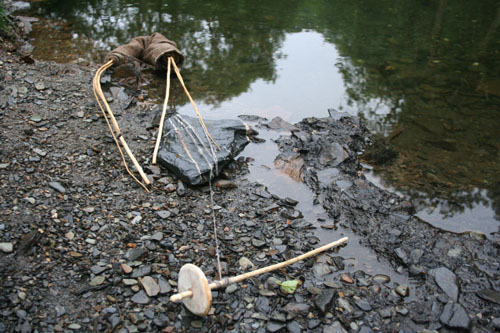
Photo Credit: J Frost J Porter
River Action Frost and Porter
2006
Artful Ecologies , Falmouth College of Art
Frost and Porter attended RANE's three day Artful Ecologies Conference , Falmouth College of Art to discuss L@te activities in the context of this conference. Some of the leading members of the international artistic community considered the questions posed by L@tE and related issues about how to create work that is both ecologically responsible and valid as art.
Acknowledgement, RANE
2006
River Flow: Rivers Wensum & Lyng performance and Norwich School of Art gallery exhibition, Norfolk, UK
Our aim was to create site specific work in two locations on the same river course in one day. The River Wensum was selected as it flows past The Norwich Gallery where the performance/action was to be formalised at the end of the day. The rural location at Lyng provided an opportunity to access the water directly, whereas at Norwich access was restricted. We reflected on the nature of the water flow in these two locations and as a result generated action based visual statements.
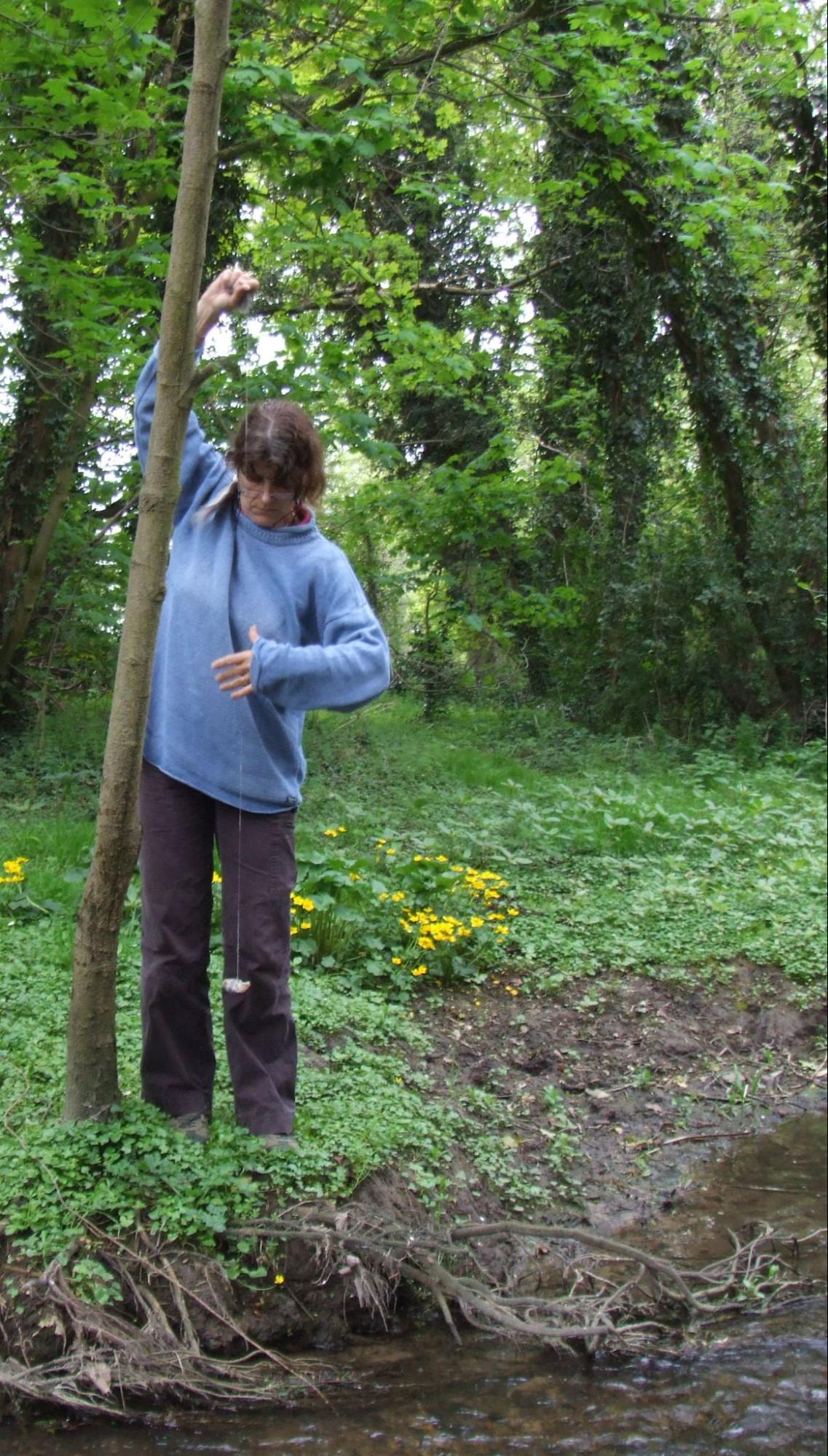
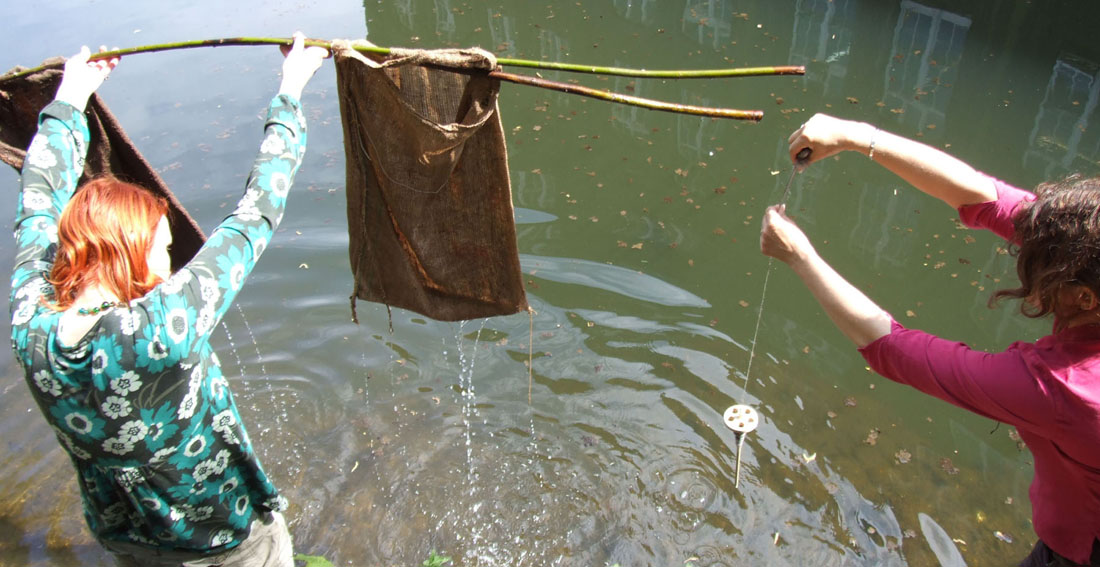
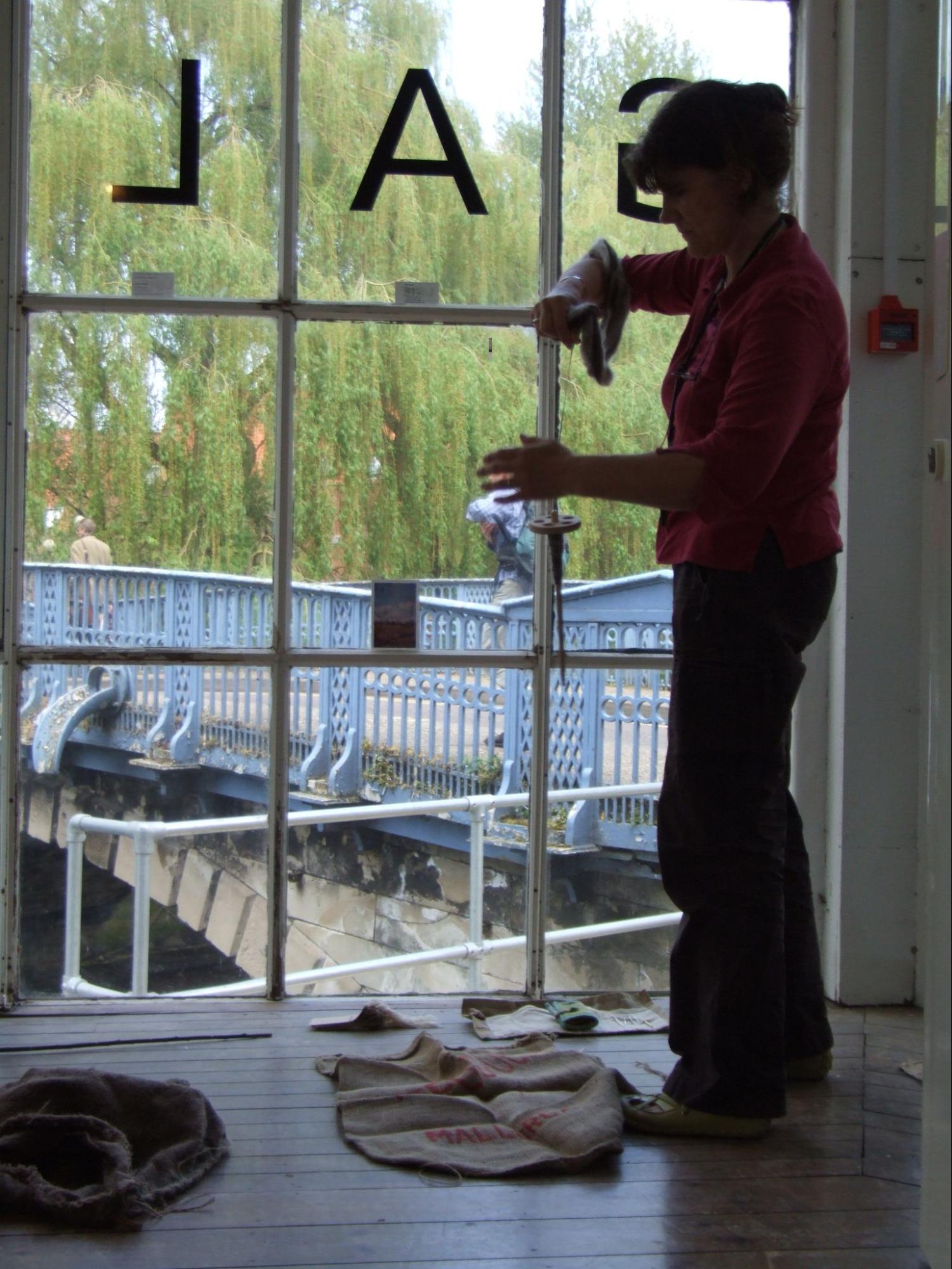
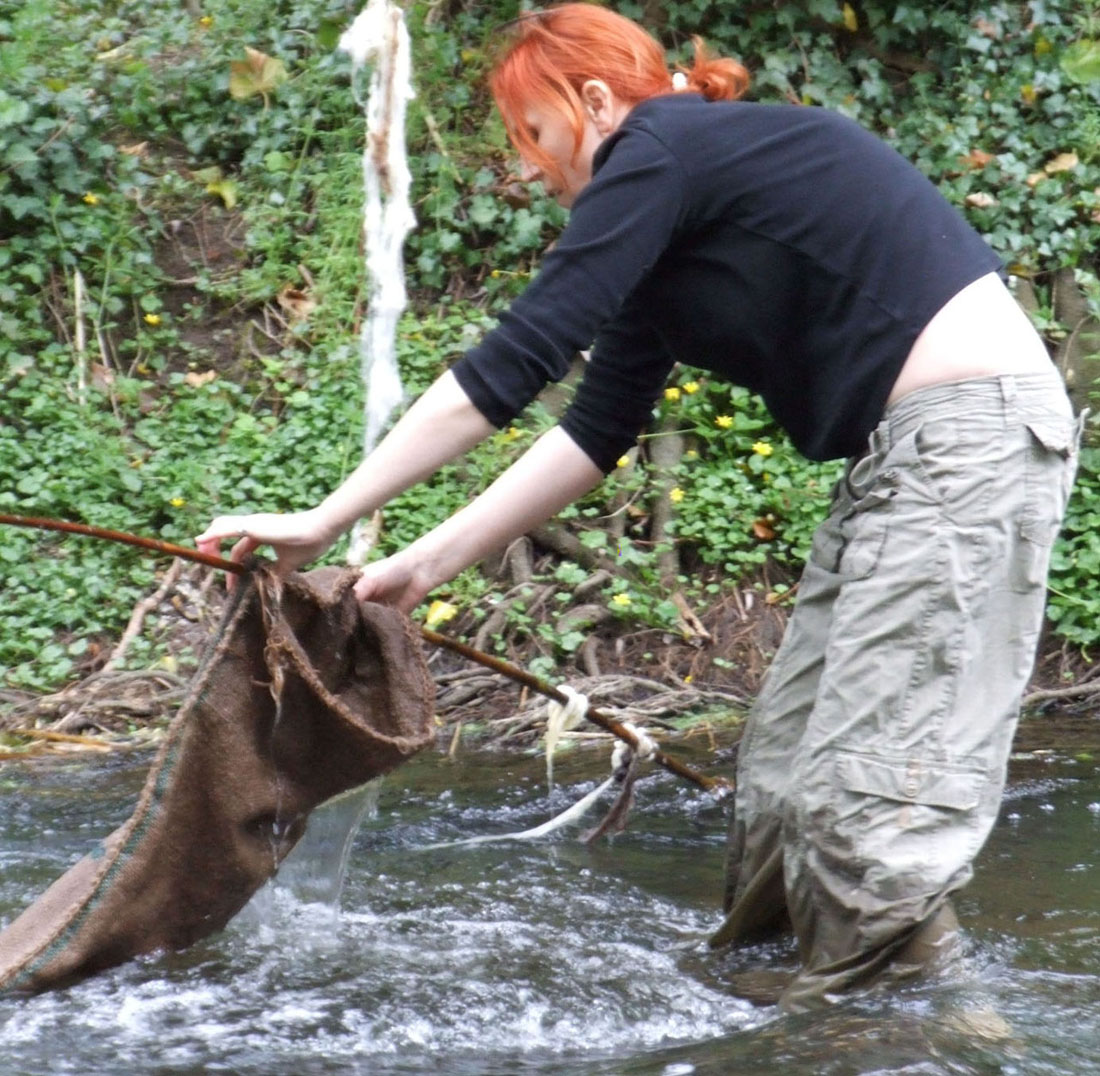
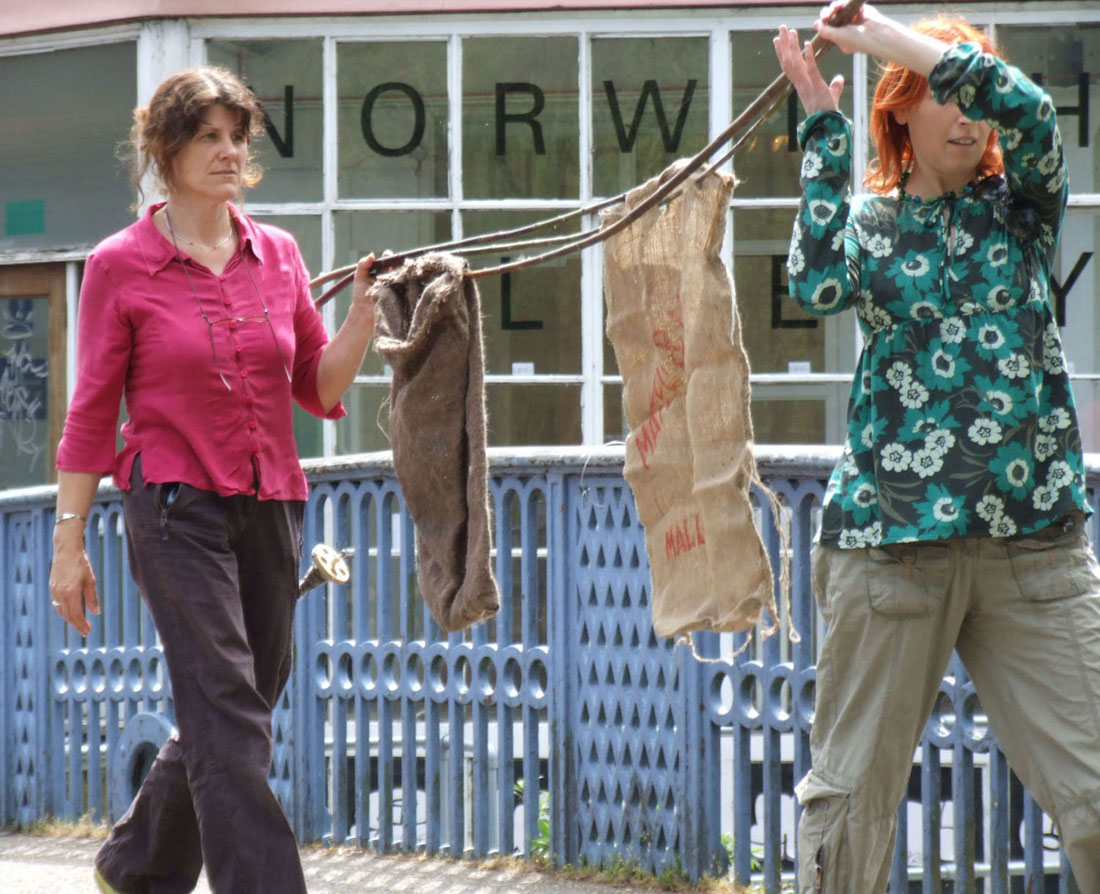
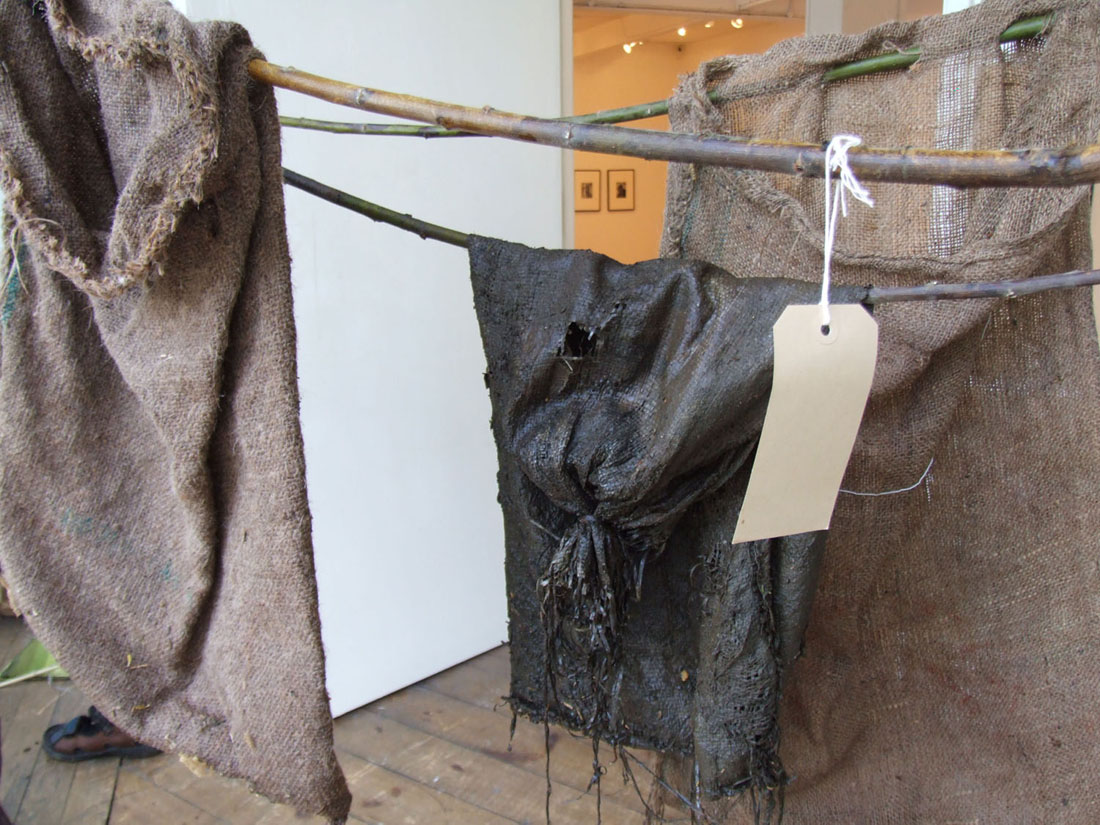
Photo Credit: J Frost J Porter
Wensum and Lyng interconnected activities, natural, found and constructed materials. Exhibition at Norwich School of Art
Acknowledgement, Norwich School of Art and Design/Yew Tree Farm Shop, Liverpool
2006
Weaving a Walk, Galerija Balen, Slavonski Brod, Croatia
Action with the community living near the site to gain an appreciation and understanding of the site.
I walked by the river Sava in flood, with people's rubbish and natural materials being swept down the river. The sides of the river were washed clean by the fast flowing water, only small amounts of debris left behind.
Slavonski Brod is a community that is conscious of its position at the country border between Croatia and Bosnia, a sense of living at the edge is very raw and somewhat fragile. War is in recent memories and experience. The season of early spring, with very little growth showing, felt at a point of change and potential in keeping with the people and place.
Exhibition curators: Reuben and Maja Fowkes.
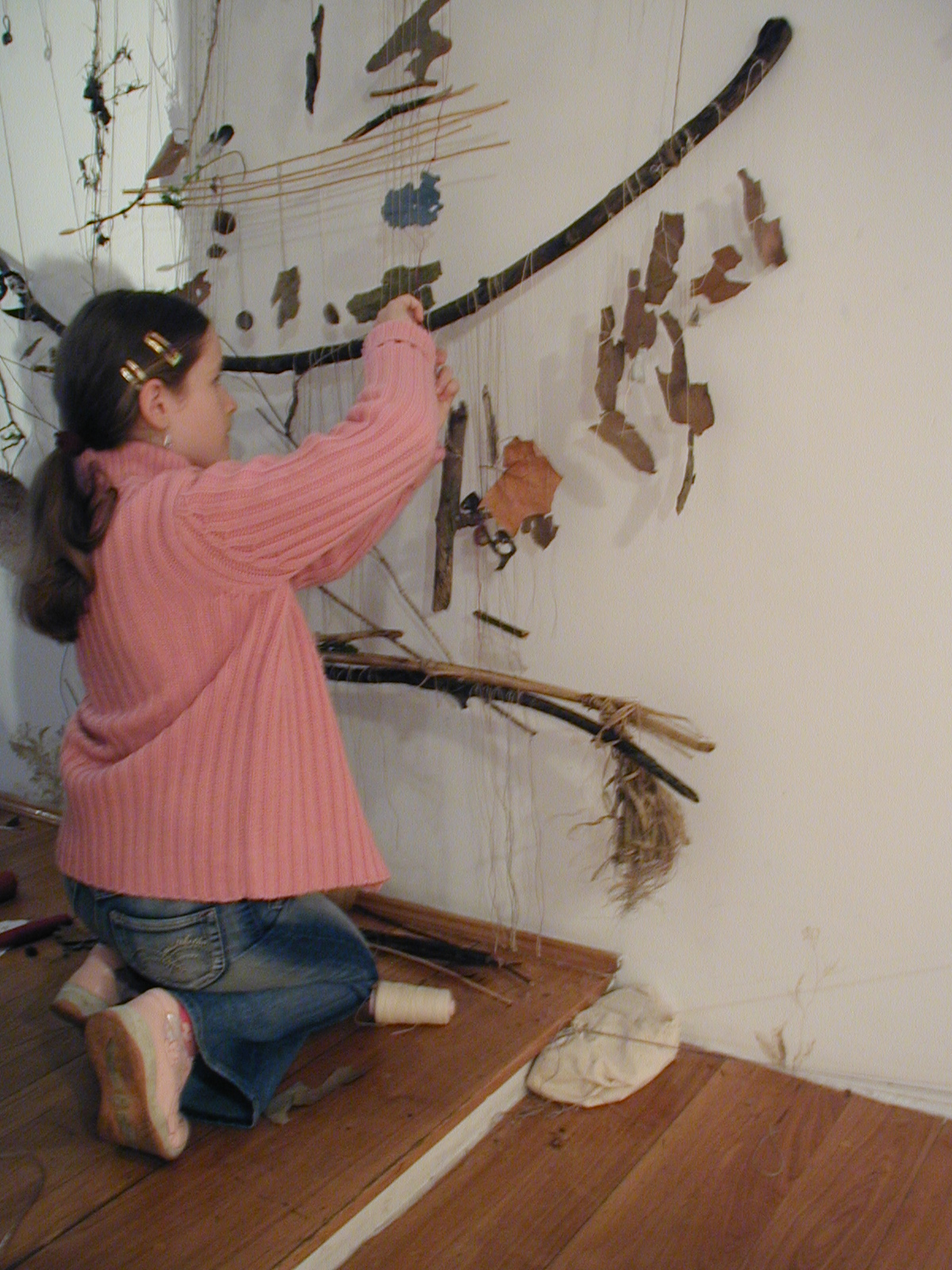
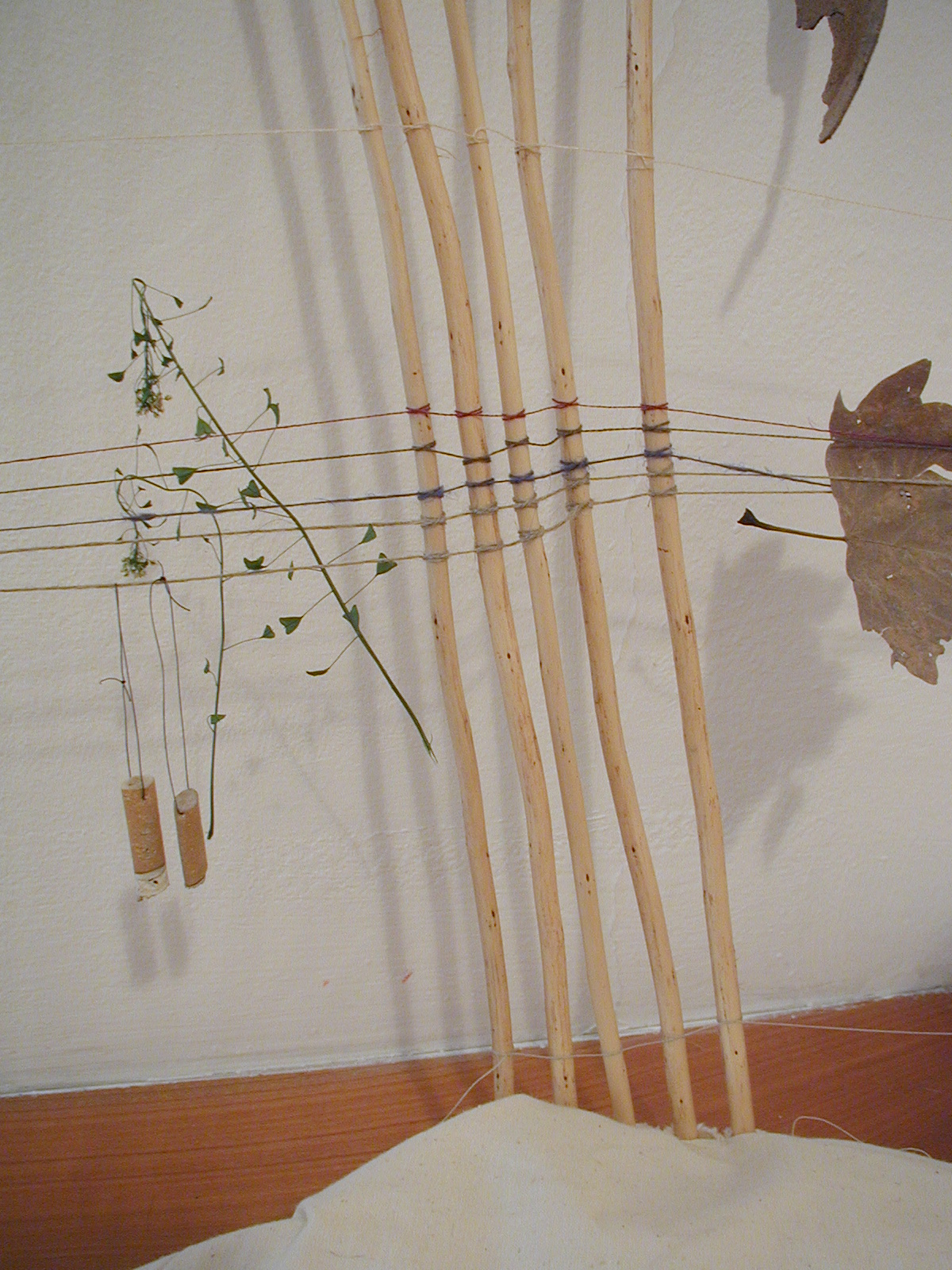
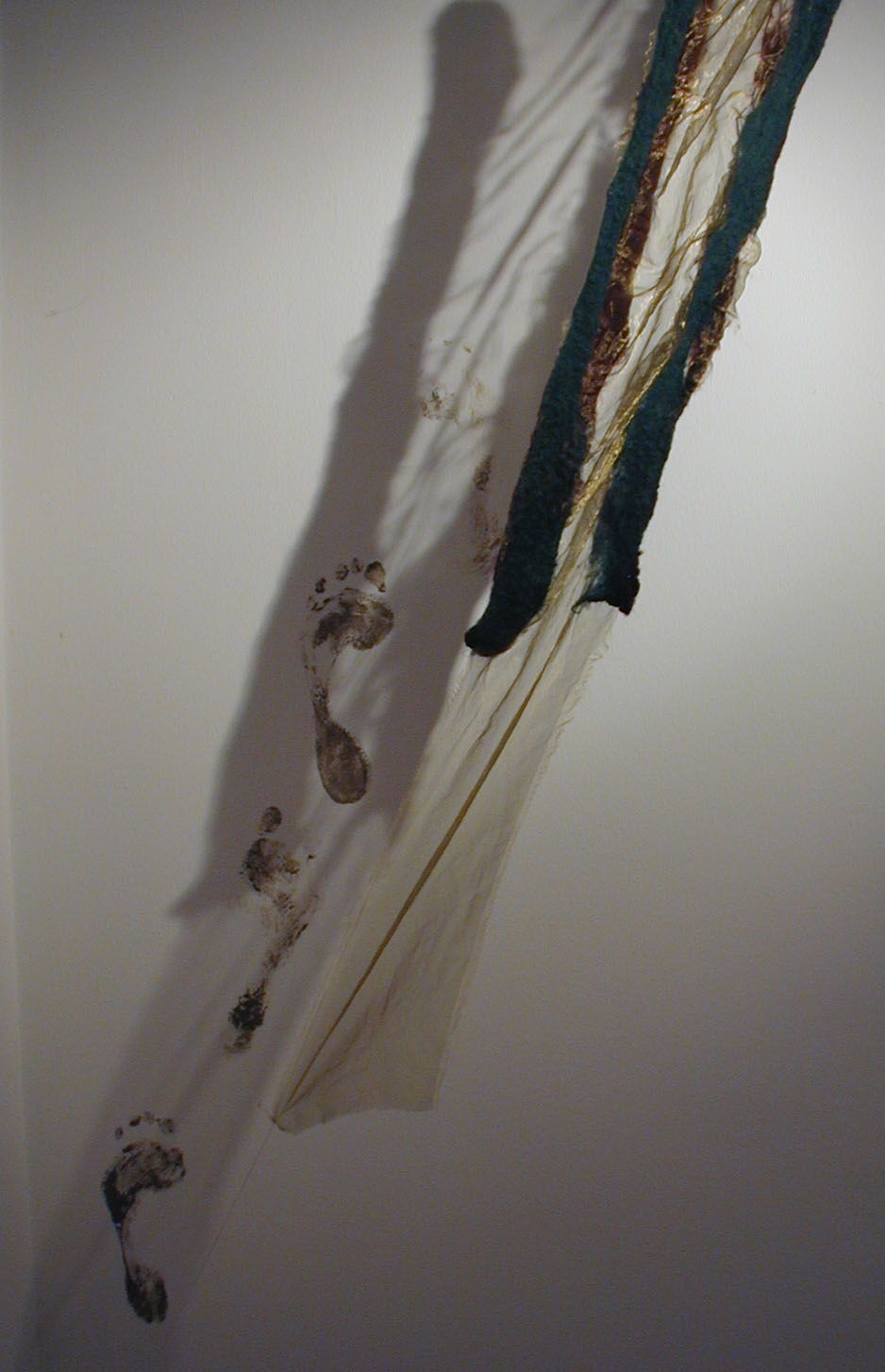
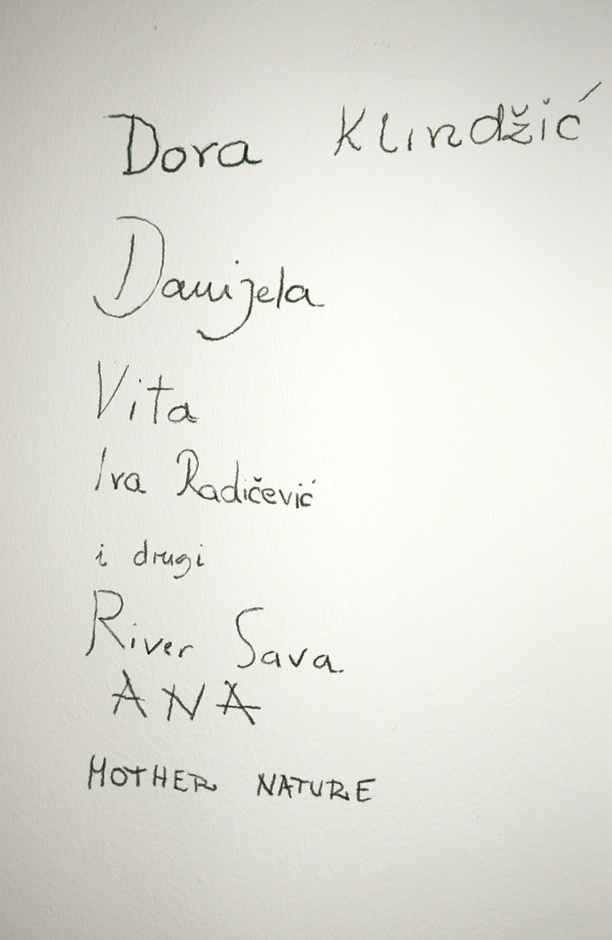
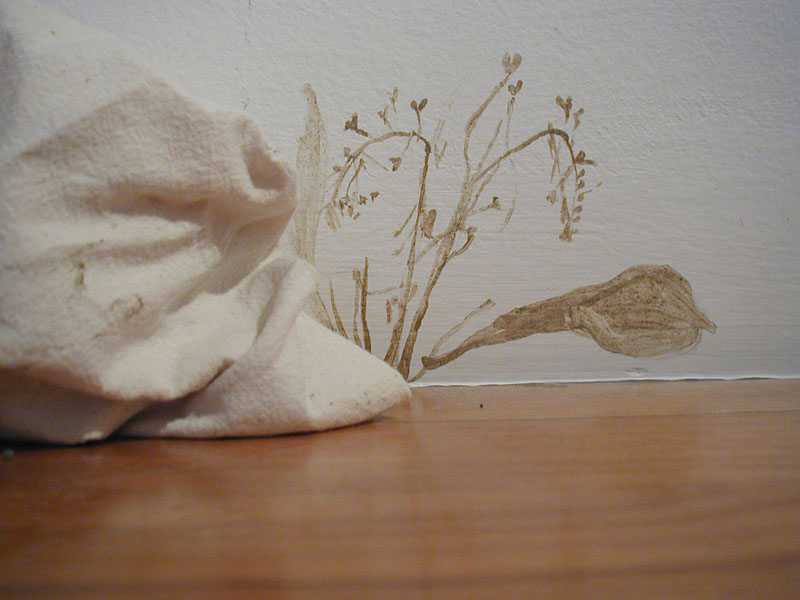
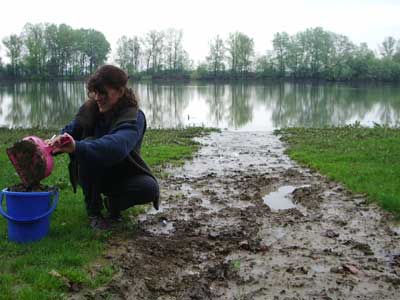
Photo Credit: J Frost, M Fowkes
Frost action, Drawn, stitched and woven elements using natural materials found on site. Collaborative workshops to create responses in the gallery.
Acknowledgment, Galeria Balen /Translocal
2006
Sustainability and Contemporary Art Symposium , Budapest, Hungary
Frost attended the Sustainability and Contemporary Art Symposium at Central European University, Budapest led by Translocal as an invited delegate to discuss L@tE activities.
Acknowledgment, Artist Newsletter bursary
2003
Landscape Arts Network conference at Yorkshire Sculpture Park, UK
Frost and Porter attended and presented L@tE activities at Landscape Arts Network conference,
Quote from Clinton Chaloner article, The Medium and the Message, LAN, Number 30, Winter 03/04 page 2. From LAN conference
…the artists Jane Frost and Janette Porter have developed a concept which they call 'Living@theEdge'. They have created a series of works at locations in Lincolnshire, Cambridgeshire and Norfolk. These landscapes are linked by their close proximity to waterways and the work aims to explore the physical and visual impact that this has on land and community. Perhaps it should not surprise us when video, rather than being the vehicle by which the work is made accessible to an audience, becomes the work itself. And so with our conference title in mind, we might ask ourselves: Is this the 'new art' or the 'new landscape'? 'Traces' by Jane Frost expresses contrasting perceptions of Wicken Fen. Visitors experience the fen very different ways, depending on the weather conditions and season. They will see a very small part of the wildlife and working activities. Feathers, microscopic plant materials, soil and shells are placed between glass panels. Displayed at the entrance to the fen, this pane puts micro and macro elements in context of a site used for over 100 years for research.'
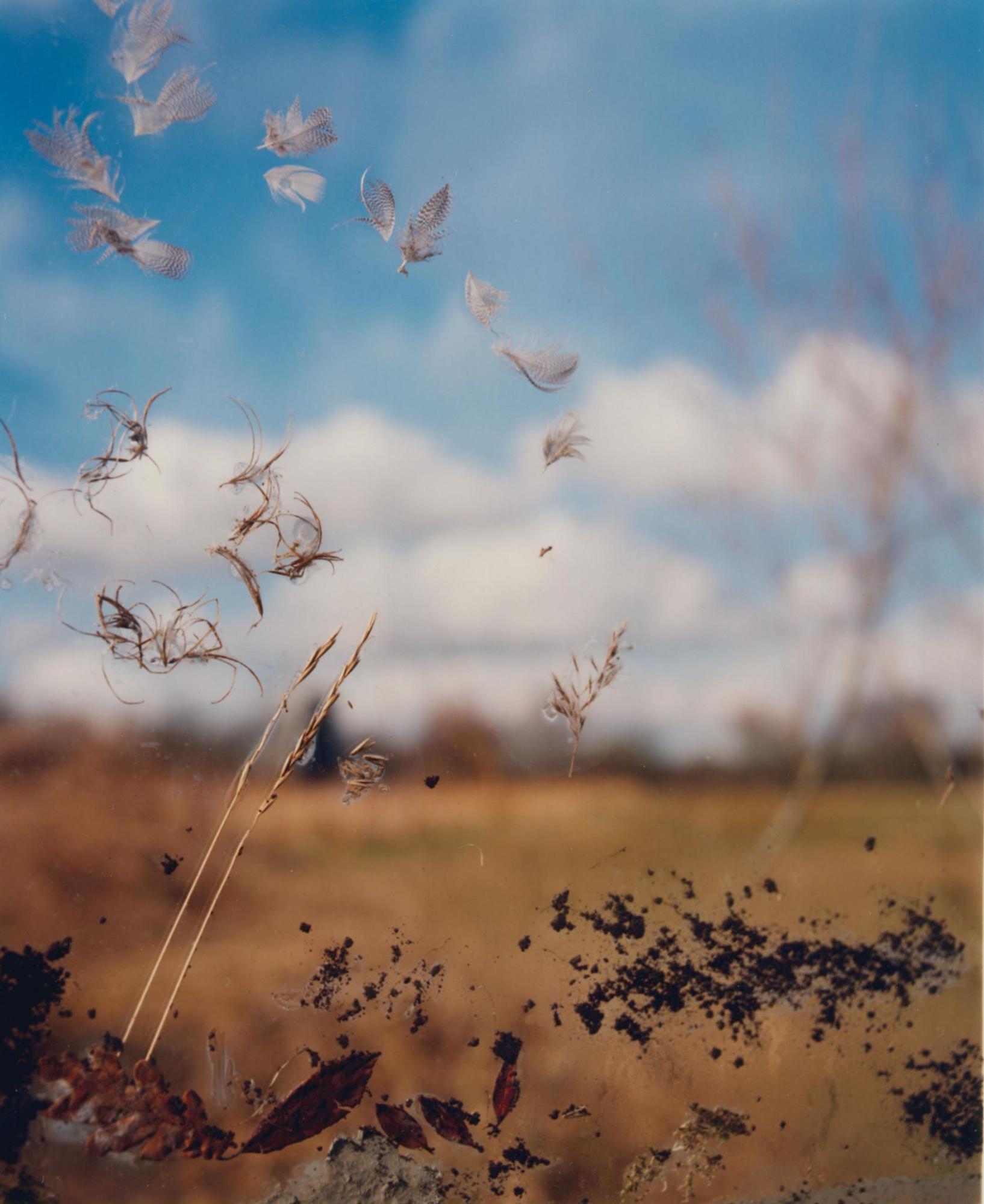
Photo Credit: R Heeps
Acknowledgment, a-n (Networking Artists Networks)
2002
Launch of L@tE at Wicken Fen, Cambridgeshire, East of England UK
Element 1 - Wicken Fen National Trust Nature Reserve, Cambridgeshire, UK - 2002 Frost considered the natural processes that had created the site, flooding and the building up of layers of natural material to make peat. The man-made structures of waterways to drain parts of the fen, aiming to keep a sustainable balance. Janette Porter worked as consultant for the structure and ethos of the project. Natural materials found on site.
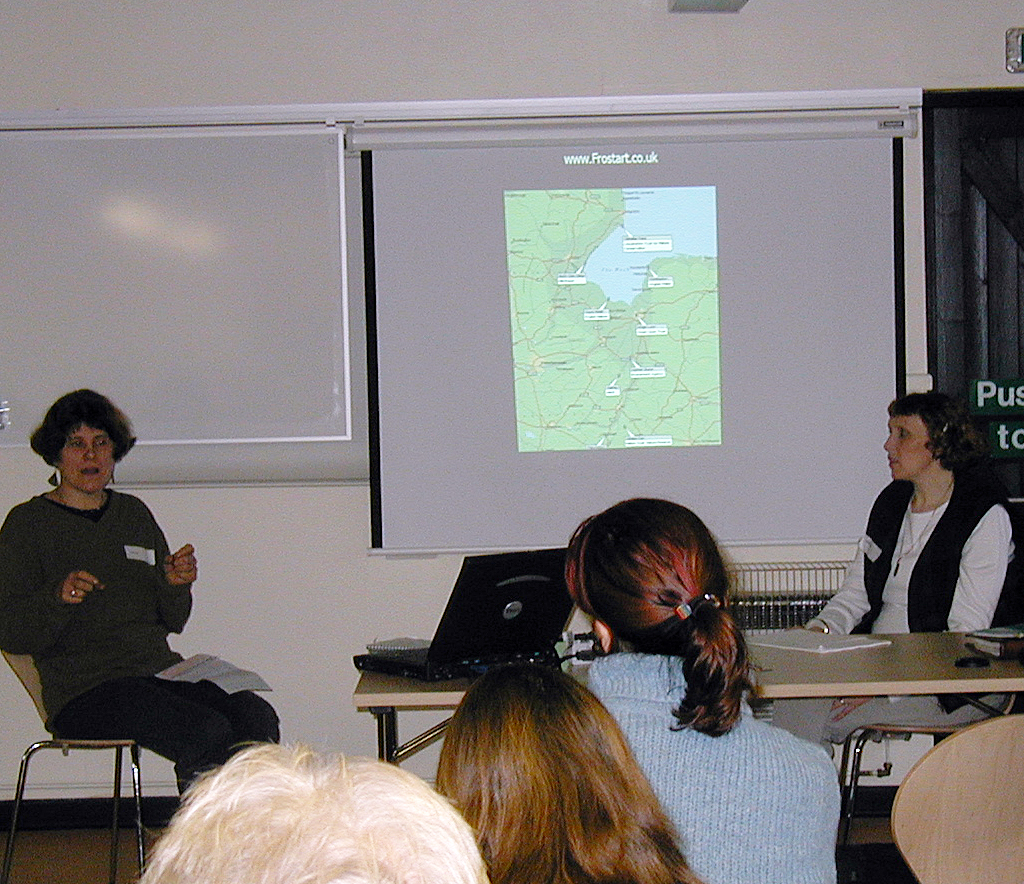
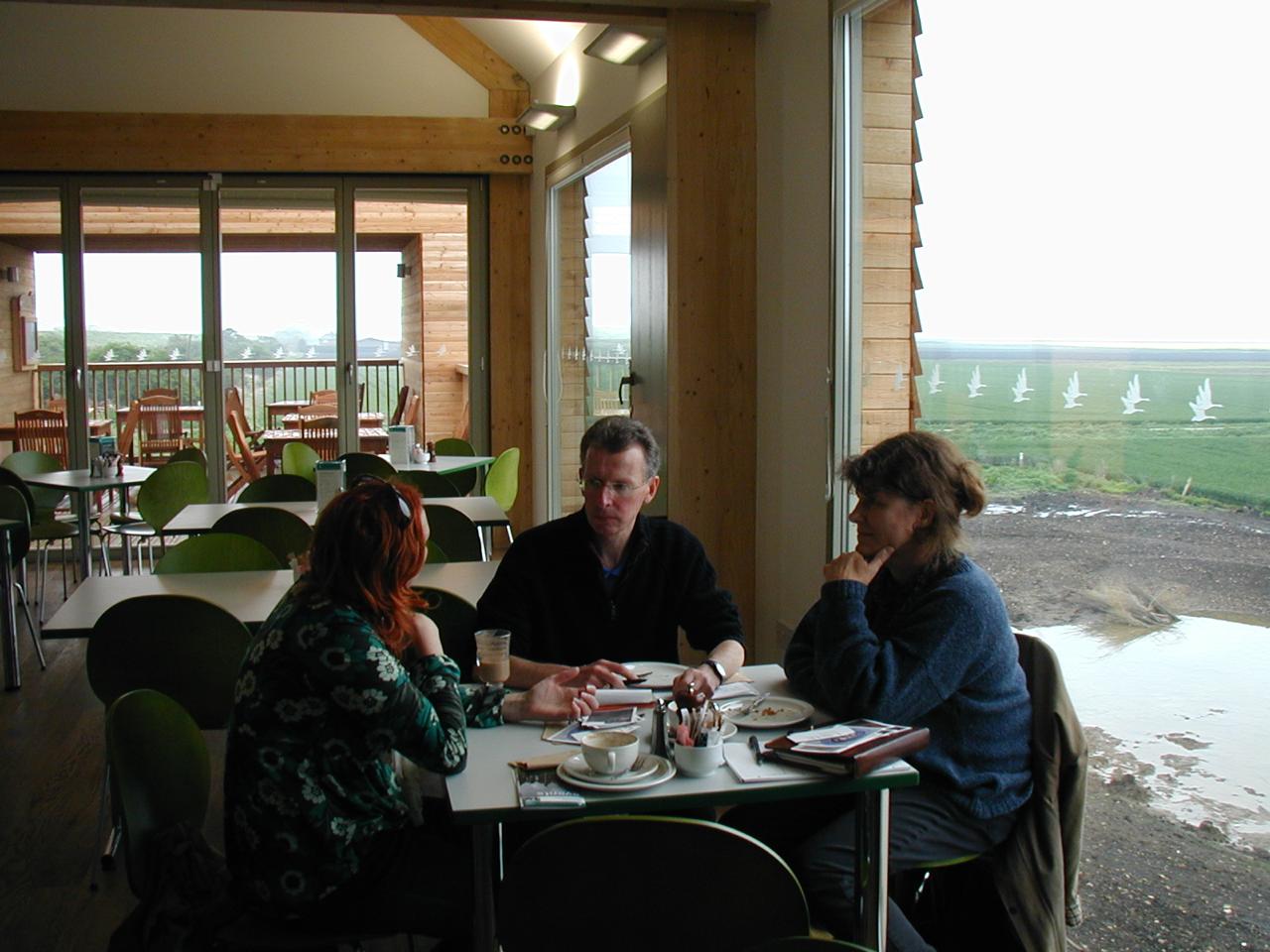
Photo Credit: TF Frost
L@tE Launch Presentation at Wicken Fen, National Trust by Frost and Porter and research meeting with David Pritchard, consultant RAMSAR and CIWEM
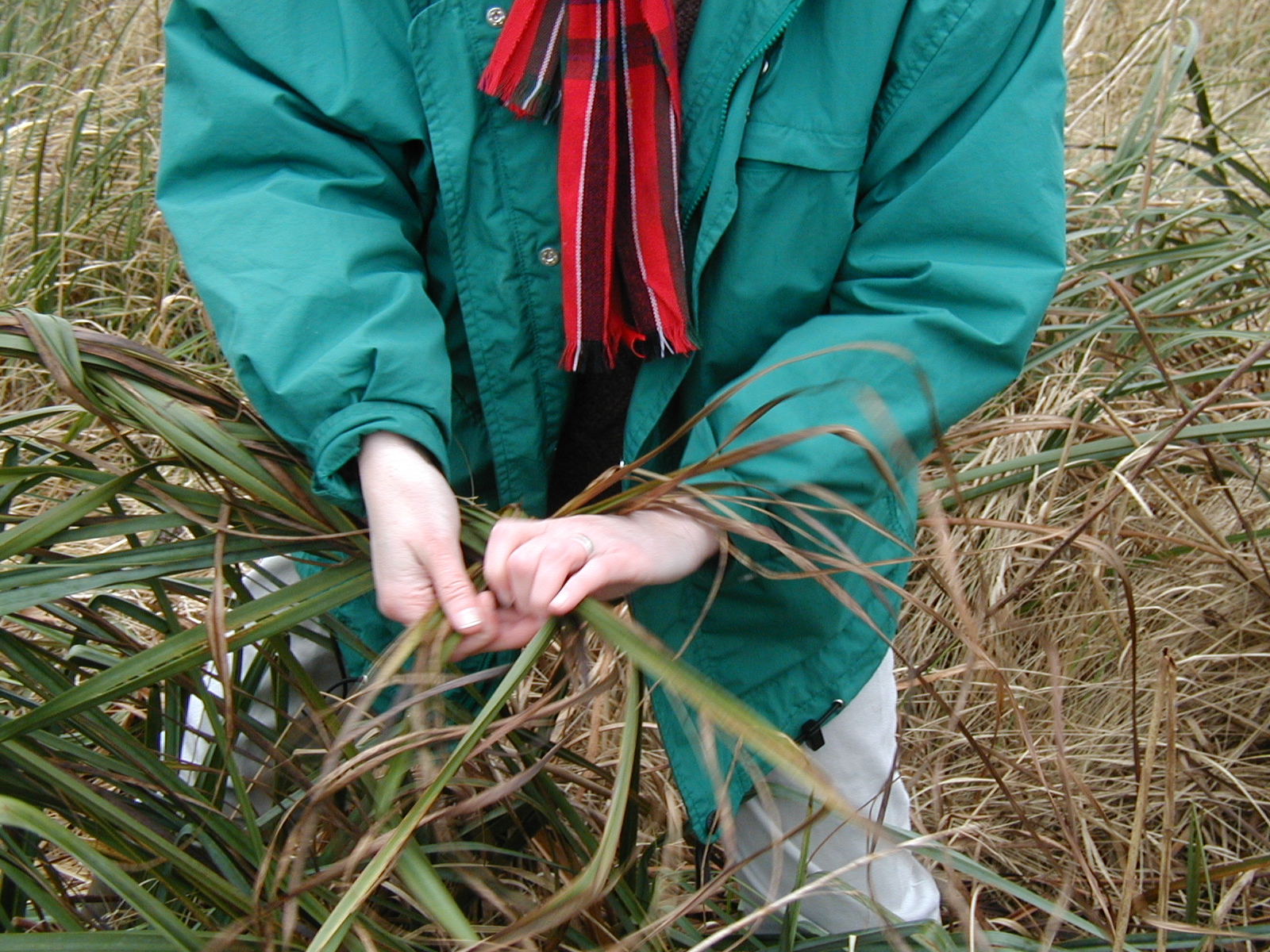
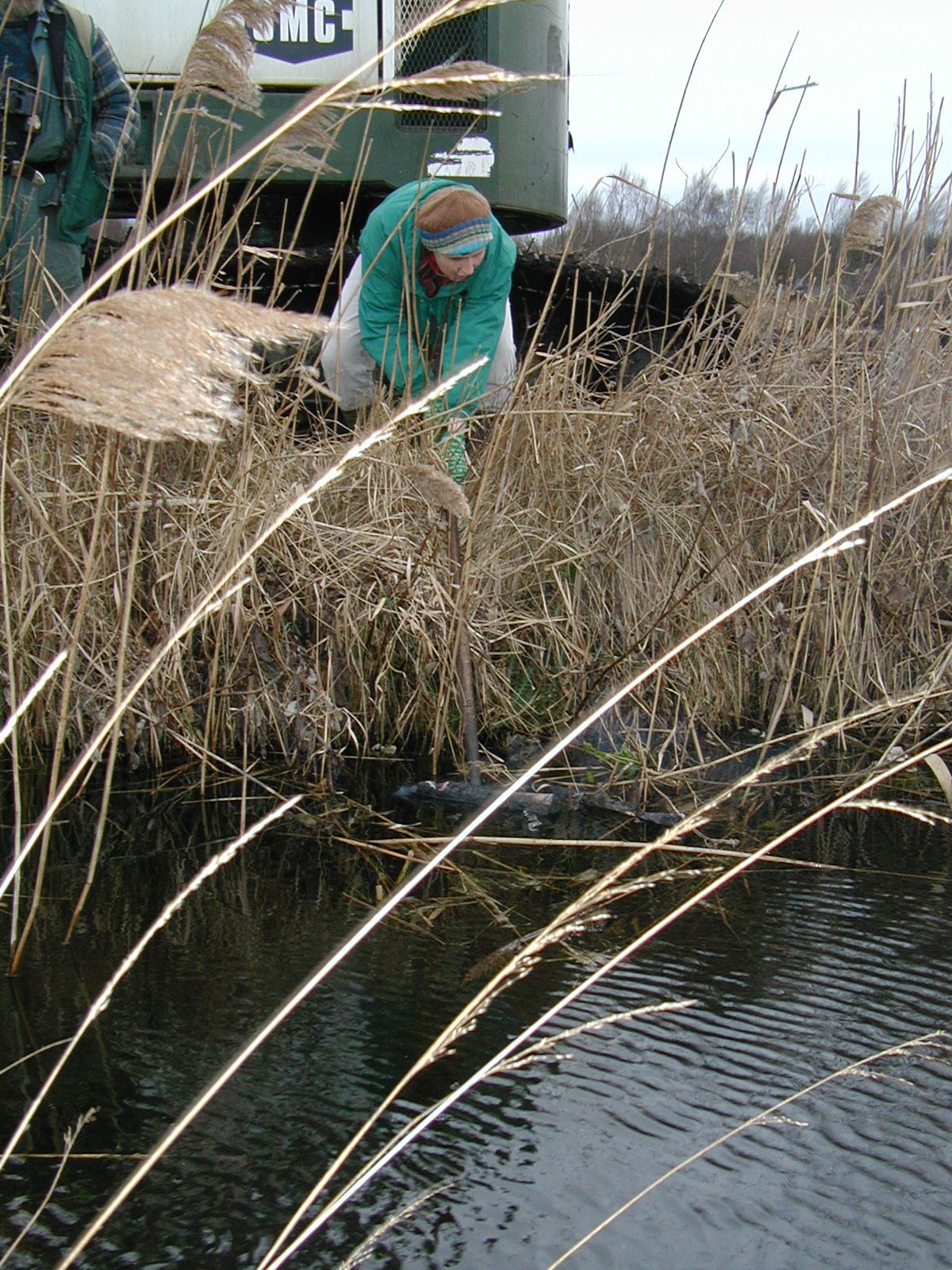
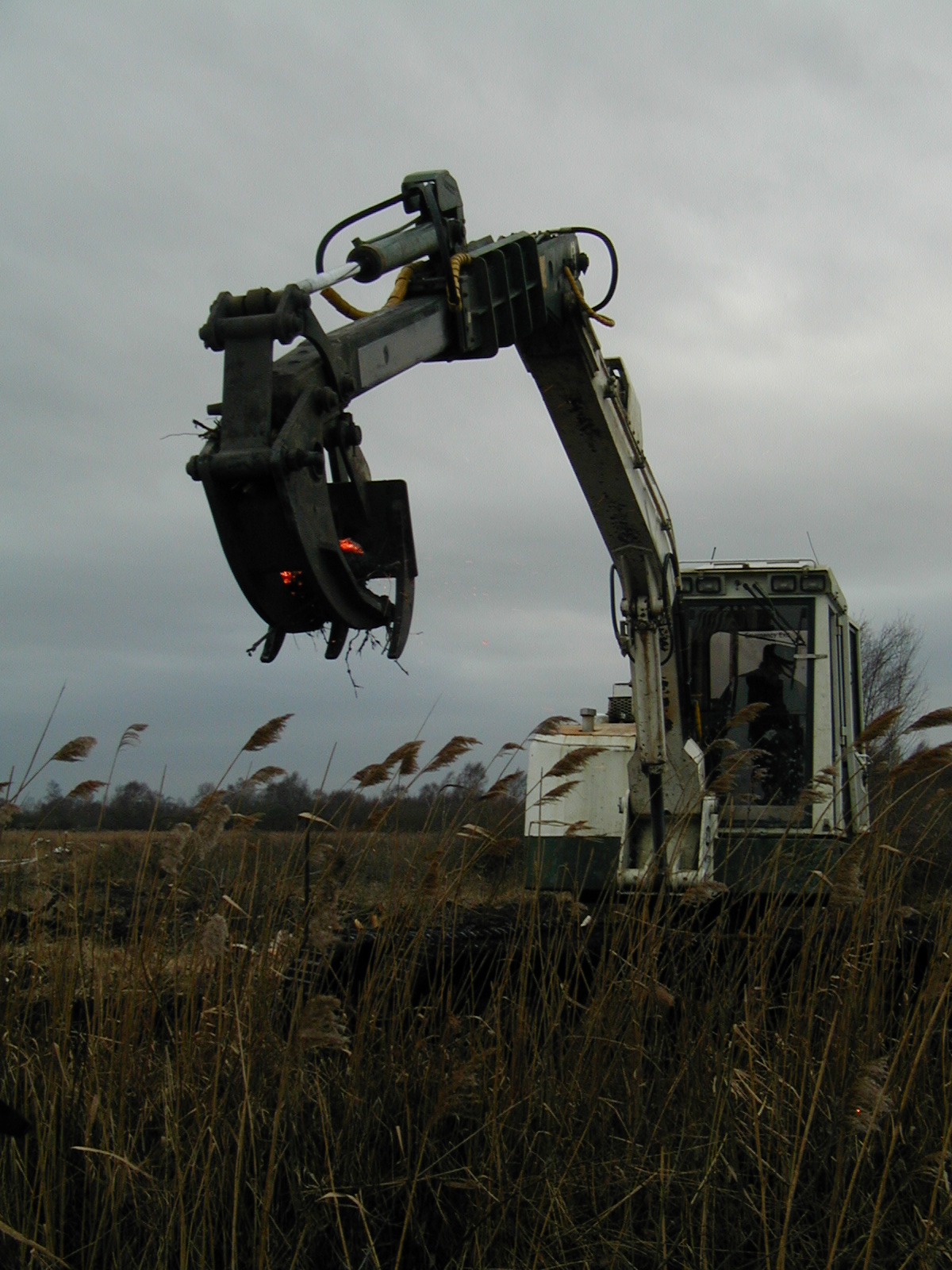
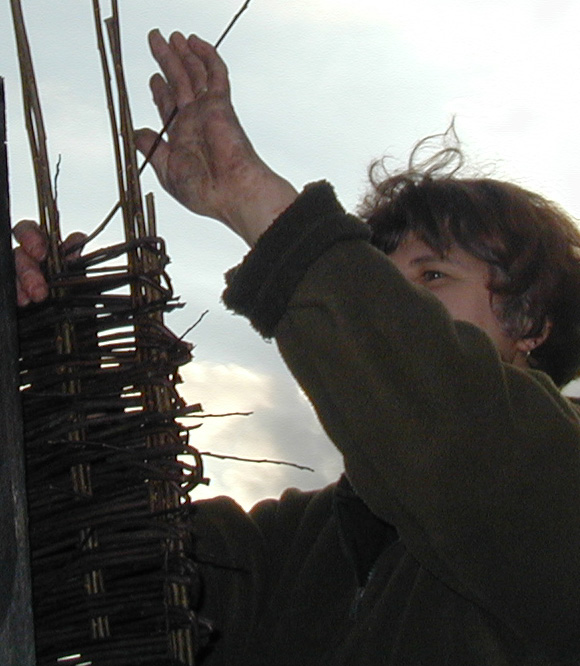
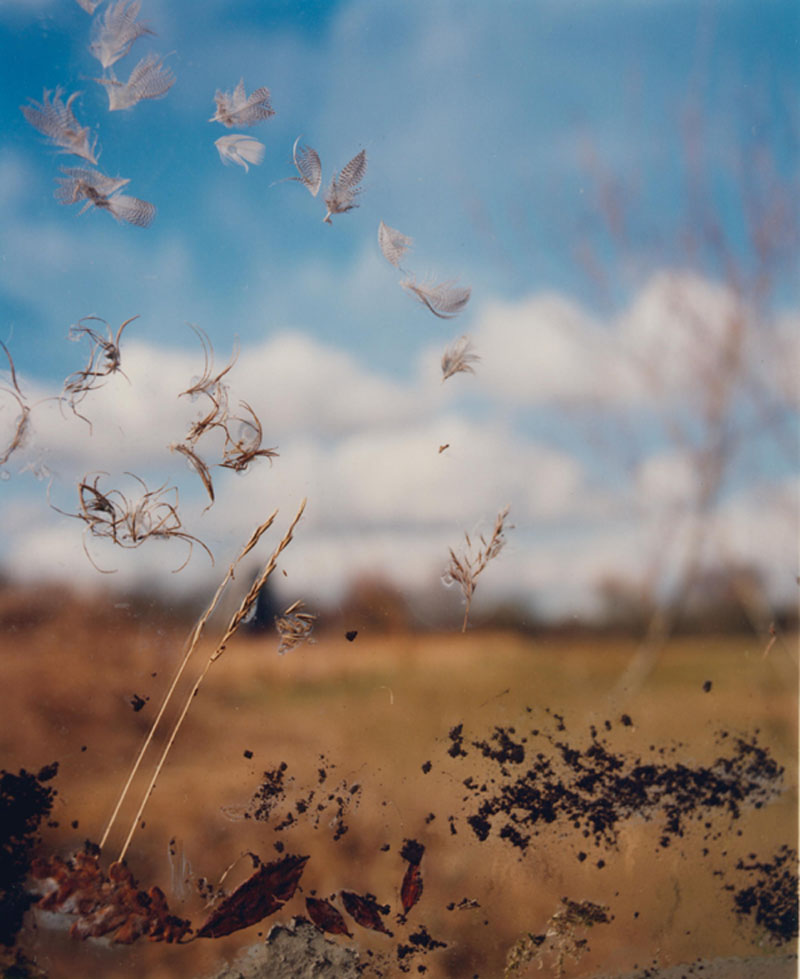
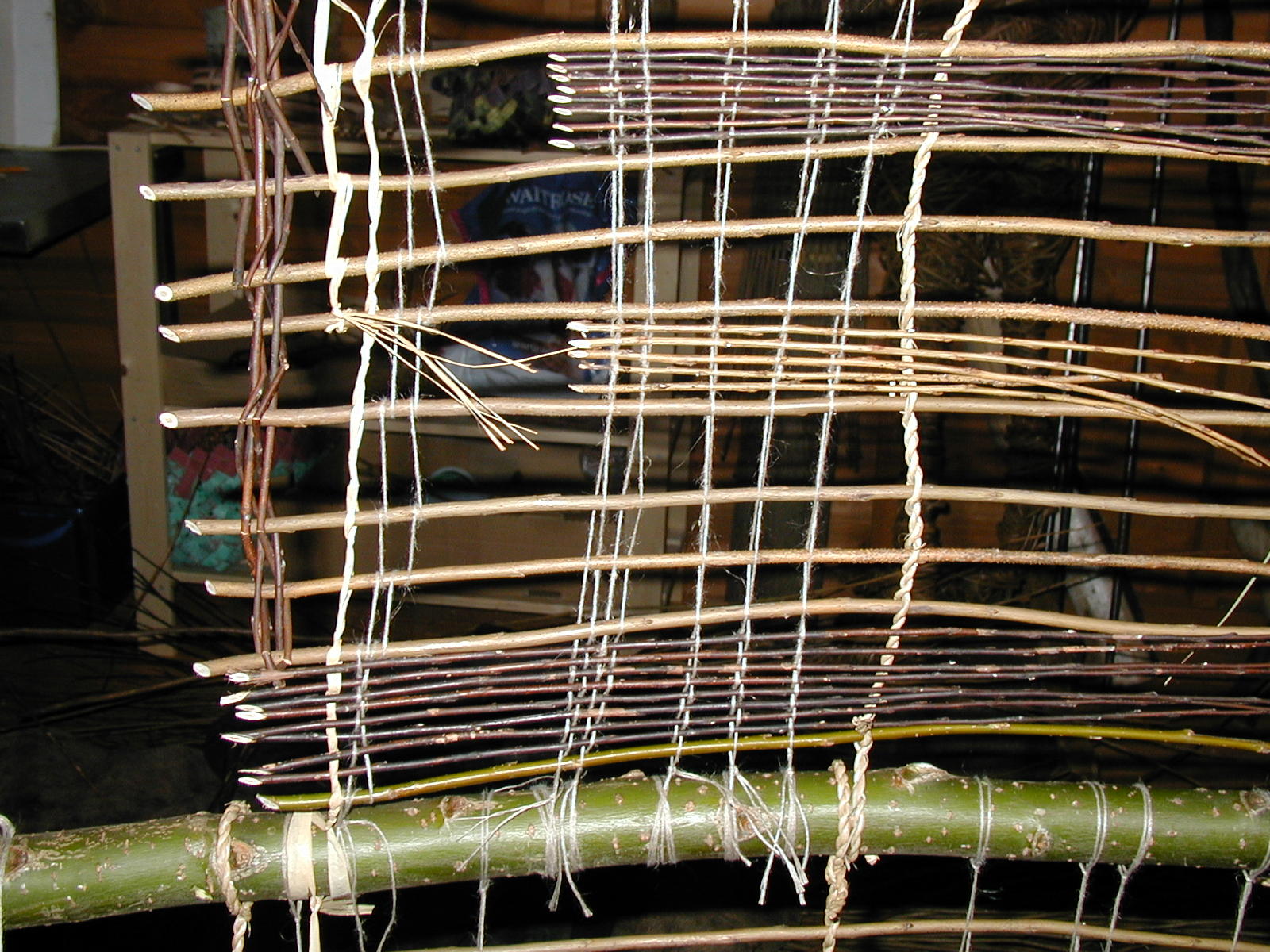
Photo Credit: J Frost J Porter R Heeps
Actions; water course, weaving, dyke clearances, community engagement
Acknowledgement, Commissions East/ADEC/Wicken Fen National Nature Reserve/ Dave Pritchard
Frost/Porter biography
Frost Porter
Together artists Frost and Porter founded the collaboration 'Living at the Edge'
L@tE is not solely a visual arts project, but is also a tool to communicate across cultural boundaries, both nationally and globally. L@tE's work reflects on the effects of how communities engage with 'at the edge of water' issues. It aims to consider how the effects of climate change impacts communities in specific relation to water levels. Frost and Porter's interests lie with communities' real experiences. Communities are encouraged to use the dimensions of L@tE to creatively engage with their local land and waterscapes. The arena for this wider work is the physical geography and the perceived social landscape balance of its many contributors. L@tE took an active form of actions, artworks, presentations, workshops and exhibitions with local community and fellow activists.
Copyright of the work and photography; J Frost and J Porter
In summary
Contact details
Jane Frost, Jane@FrostArt.co.uk
Janette Porter, Janetteporteruk@gmail.com